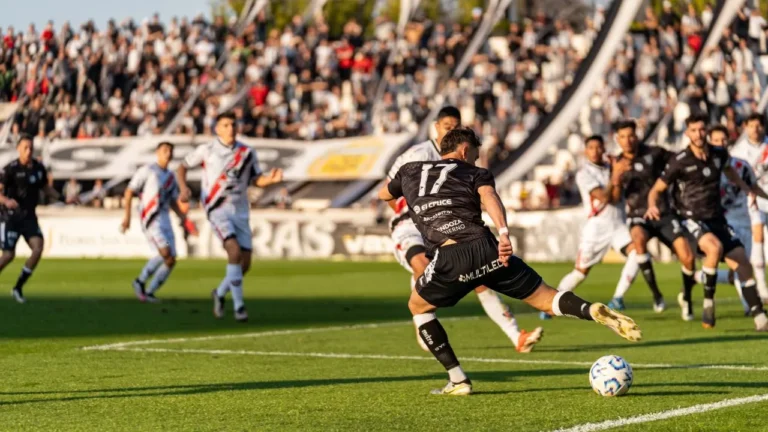
Some of the fastest players in Premier League history have recorded incredible sprint speeds during official matches.
The Premier League has never lacked speed. From flying wingers and explosive full-backs to strikers capable of turning a half-chance into a clear scoring opportunity, pace has shaped some of the league’s most memorable moments. Modern tracking technology now allows clubs and broadcasters to measure sprint speeds with remarkable accuracy, giving fans a clearer picture of who the fastest players really are.
While speed alone does not guarantee success, it remains one of football’s most valuable weapons. This guide examines the fastest Premier League players in history based on officially recorded sprint speeds and explores why their pace made such a significant impact.
Fastest Premier League Players Ever: Quick Summary
Official Premier League tracking data has recorded some remarkable sprint speeds in recent seasons. Newcastle United defender Sven Botman’s reported 39.21 km/h sprint is among the fastest figures publicly associated with Premier League tracking, while players such as Micky van de Ven, Kyle Walker, Anthony Elanga, Chiedozie Ogbene, and Dara O’Shea have also produced elite speed numbers.
Fastest Premier League Speeds Ever Recorded
| Rank | Player | Club (at Time of Record) | Top Speed |
|---|---|---|---|
| 1 | Sven Botman | Newcastle United | 39.21 km/h |
| 2 | Micky van de Ven | Tottenham Hotspur | 37.38 km/h |
| 3 | Chiedozie Ogbene | Luton Town | 36.93 km/h |
| 4 | Anthony Elanga | Nottingham Forest | 36.91 km/h |
| 5 | Dara O’Shea | Burnley | 36.73 km/h |
| 6 | Pedro Neto | Wolverhampton Wanderers | 36.86 km/h |
| 7 | Kyle Walker | Manchester City | 36.71 km/h |
Speeds are based on official Premier League tracking data published during recent seasons.
How Sprint Speeds Are Measured
Premier League clubs use advanced optical tracking systems and performance-monitoring technology throughout matches.
Rather than estimating pace, the league records actual sprint data during competitive fixtures. This provides a far more accurate measure than training-ground tests or unofficial timing methods.
As a result, modern speed records are generally more reliable than comparisons involving players from the league’s early years.
Sven Botman: The Fastest Speed Ever Recorded
Newcastle’s Unexpected Speed King
When fans think of Premier League speedsters, center-backs are rarely the first players that come to mind.
Yet Newcastle United’s Sven Botman stunned observers by reaching 39.21 km/h, setting one of the highest speeds ever recorded in Premier League history.
What makes the achievement particularly remarkable is Botman’s position. Defenders often sprint over shorter distances and have fewer opportunities to reach maximum velocity than attacking players.
Why His Pace Matters
Botman’s recovery speed allows Newcastle to defend aggressively higher up the pitch.
Modern Premier League football increasingly demands defenders who can recover quickly when opponents attempt to attack in transition. His pace gives Newcastle tactical flexibility that many clubs seek in elite center-backs.
Micky van de Ven’s Rise as Tottenham’s Defensive Weapon
Tottenham defender Micky van de Ven quickly established a reputation as one of the fastest players in Europe after joining the club.
His recorded speed of 37.38 km/h ranks among the fastest ever measured in the Premier League.

Pace Meets Positioning
Van de Ven’s speed is particularly valuable because it complements his reading of the game.
Tottenham often maintain a high defensive line, which leaves space behind defenders. His acceleration and recovery pace help reduce the risks associated with that tactical approach.
More Than Just Recovery Runs
The Dutch international’s athleticism also allows him to carry the ball forward and support attacking transitions, adding another dimension to Tottenham’s style of play.
Kyle Walker: The Gold Standard for Premier League Pace
Before advanced tracking systems became commonplace, many players were considered fast based largely on observation.
Few players passed the eye test more convincingly than Kyle Walker.
For over a decade, the Manchester City full-back established himself as one of the quickest defenders in world football.
Longevity at Elite Speed
What separates Walker from many other rapid players is how long he maintained elite pace.
Even into his thirties, he continued recording sprint speeds that rivaled players nearly a decade younger.
The Recovery Run Specialist
Walker’s speed became a tactical weapon for Manchester City.
His ability to recover defensive positions allowed Pep Guardiola’s side to commit more players forward while maintaining defensive security against counterattacks.
Anthony Elanga’s Explosive Acceleration
Nottingham Forest winger Anthony Elanga has emerged as one of the league’s most dangerous transition players.
His top speed of 36.91 km/h highlights why defenders often struggle when facing him in open space.
Built for Counterattacks
Elanga’s greatest strength may not be his maximum speed alone.
His acceleration allows him to reach dangerous positions quickly, making him especially effective during fast breaks and direct attacking sequences.
Chiedozie Ogbene’s Premier League Impact
Luton Town’s Chiedozie Ogbene earned widespread attention for his pace during the club’s Premier League campaign.
Recording 36.93 km/h, he demonstrated that speed can be a major equalizer even for clubs competing against opponents with larger budgets and deeper squads.
Direct and Fearless
Ogbene consistently used his pace to stretch defenses and create space for teammates.
His style reflected how modern football increasingly values players capable of attacking large areas of open field.
Fastest Premier League Players by Position
| Position | Player |
|---|---|
| Goalkeeper | Limited official sprint comparisons |
| Defender | Sven Botman |
| Full-Back | Kyle Walker |
| Midfielder | Various seasonal leaders |
| Winger | Anthony Elanga |
| Forward | Several players have exceeded 35 km/h |
The growing athletic demands of modern football mean elite speed is now found across nearly every position.
Why Defenders Are Getting Faster
Modern tactical systems require defenders to cover larger spaces than ever before. Teams that press high up the pitch depend on center-backs and full-backs recovering quickly when possession is lost, making sprint speed one of the most valuable defensive attributes in today’s Premier League.
Fast Premier League Legends Before Modern Tracking Data
Comparing players from different eras is never straightforward.
The Premier League did not publicly track sprint speeds during the 1990s and early 2000s the way it does today. As a result, several legendary speedsters are remembered largely through match footage, opposition testimony, and their performances rather than verified tracking data.
Thierry Henry
Thierry Henry combined elite acceleration with exceptional technical ability.
Defenders often found themselves beaten before they could react, particularly when Henry drifted into wide channels and attacked open space. His speed played a major role in Arsenal’s success during the club’s most dominant years.
Michael Owen
Before injuries affected his career, Michael Owen was among the quickest forwards in world football.
His pace was central to Liverpool’s counterattacking style and helped him become one of England’s most feared attackers during the late 1990s and early 2000s.
Aaron Lennon
Aaron Lennon spent much of his Premier League career terrifying full-backs with explosive acceleration.
Although official speed data from his peak years is unavailable, he remains one of the fastest wingers many Premier League defenders have faced.
Many of football’s quickest players are also remembered among the sport’s greatest talents. Read 20 Fastest Football Players of All Time Ranked (2025) for a wider historical comparison.
Theo Walcott
Theo Walcott’s pace was a defining feature throughout his Arsenal and Everton careers.
His ability to stretch defenses created opportunities for teammates and regularly forced opponents to alter their defensive approach.
Why Raw Speed Doesn’t Always Equal Success
Football is filled with fast players who never became elite performers.
The reason is simple: pace is only one component of the game.
Decision-Making Matters
A player may be able to outrun opponents, but poor decision-making can limit the impact of that advantage.
The most successful speedsters know when to sprint, when to slow down, and how to exploit space effectively.
Positioning Creates Opportunities
Players rarely reach top speed without intelligent movement.
Great attackers often create favorable situations through positioning before their pace becomes a factor.
Technical Ability Remains Essential
Elite football requires more than athleticism.
Players such as Thierry Henry and Gareth Bale combined speed with technical quality, finishing ability, and tactical understanding.
Several legendary footballers built their reputation on a combination of pace, skill, and consistency. Explore Best Football Players in the World Right Now (2025 Rankings) for a look at today’s elite stars.
That combination is what transformed them from quick players into world-class footballers.
How the Premier League Has Become Faster
The modern Premier League places greater physical demands on players than ever before.
Improved Sports Science
Advances in training methods, nutrition, recovery programs, and performance analysis have helped players maximize athletic potential.
Tactical Evolution
Many teams now emphasize pressing, transitions, and vertical attacking play.
These tactical trends naturally reward players capable of covering ground quickly.
Recruitment Trends
Clubs increasingly target athletic profiles during recruitment.
Speed, acceleration, and recovery pace are now major considerations when evaluating transfer targets across multiple positions.
Common Misconceptions About Football Speed
“The Fastest Player Is Always the Best Player”
Speed can be a major advantage, but football history shows that intelligence, technique, and decision-making often matter just as much.
Some of the greatest Premier League players were not among the league’s fastest athletes.
“Attackers Are Always Faster Than Defenders”
Recent tracking data suggests otherwise.
Both Sven Botman and Micky van de Ven are defenders, yet they rank among the fastest players ever recorded in the competition.
“Top Speed Is Everything”
Maximum speed only tells part of the story.
Acceleration, agility, reaction time, and the ability to change direction are equally important in match situations.
A player who reaches 35 km/h quickly may be more effective than one capable of 38 km/h but who requires more space to get there.
Expert Analysis: Why Speed Is More Valuable Than Ever
Modern football creates more transitional moments than many previous eras.
Teams frequently attack immediately after winning possession, leaving large spaces to exploit. Players who can accelerate rapidly and sustain high-speed runs gain a significant advantage in these situations.
Defensively, pace has become equally important.
Clubs that press high up the pitch need defenders capable of recovering quickly if opponents break through the initial press. This explains why center-backs such as Botman and van de Ven are so highly valued.
The evolution of tactics means speed is no longer a luxury. For many positions, it has become a requirement.
Can Future Players Break These Records?
As tracking technology becomes more advanced and sports science continues to improve, future Premier League players may push sprint speeds even higher. Improvements in conditioning, recovery, and athletic development mean speed records will likely continue evolving over the coming seasons.
Key Takeaways
- Sven Botman currently holds one of the fastest officially recorded speeds in Premier League history at 39.21 km/h.
- Micky van de Ven, Anthony Elanga, Chiedozie Ogbene, Pedro Neto, and Kyle Walker rank among the competition’s quickest players.
- Modern tracking technology provides more reliable sprint data than previous eras.
- Historic speedsters such as Thierry Henry, Michael Owen, Aaron Lennon, and Theo Walcott remain among the fastest players seen in the league, although official speed records are unavailable.
- Speed alone does not guarantee success; technical ability and tactical intelligence remain crucial.
- The Premier League continues to become faster due to advances in sports science, recruitment, and tactical evolution.
Final Thoughts
Pace has always been one of football’s most exciting attributes, and the Premier League has featured some extraordinary athletes throughout its history.
What makes today’s speed records particularly fascinating is the precision with which they are measured. Official tracking technology has replaced guesswork with hard data, revealing just how fast modern players have become.
While debates about the quickest player of all time will continue, the evidence shows that the Premier League’s current generation is producing some of the fastest sprint speeds ever recorded in professional football. Whether it’s Sven Botman’s remarkable record, Micky van de Ven’s recovery runs, or Kyle Walker’s sustained excellence over more than a decade, speed remains one of the league’s defining characteristics.
For a broader comparison across all eras and competitions, see Who Is the Fastest Football Player Ever? The Official Speed Record Explained.
FAQ
Who is the fastest Premier League player ever recorded?
Based on official Premier League tracking data, Sven Botman holds one of the fastest recorded sprint speeds at 39.21 km/h.
What is the fastest speed recorded in Premier League history?
The highest officially reported Premier League sprint speed is 39.21 km/h, recorded by Newcastle United defender Sven Botman.
Was Kyle Walker one of the fastest Premier League players?
Yes. Kyle Walker consistently ranked among the league’s quickest players and remained exceptionally fast throughout his career.
Are defenders now faster than attackers?
Not necessarily, but recent data shows several defenders rank among the fastest players in the league, reflecting the athletic demands of modern football.
How does the Premier League measure sprint speed?
The league uses advanced tracking systems that monitor player movements during competitive matches and record top sprint speeds.
Is pace the most important attribute in football?
No. Speed is valuable, but elite players also rely on technical ability, tactical awareness, decision-making, and positioning.
Sources Used
- UEFA Technical Analysis Reports
- Official Premier League Player Tracking Data
- Premier League Statistics Centre
- Opta Sports
- BBC Sport
- Sky Sports
- The Athletic
- Reuters
- ESPN FC
- PremierLeague.com
- FIFA Technical Reports
About the Author