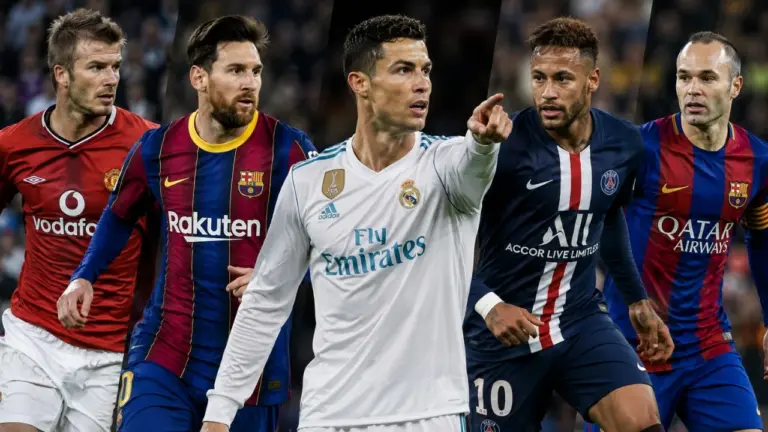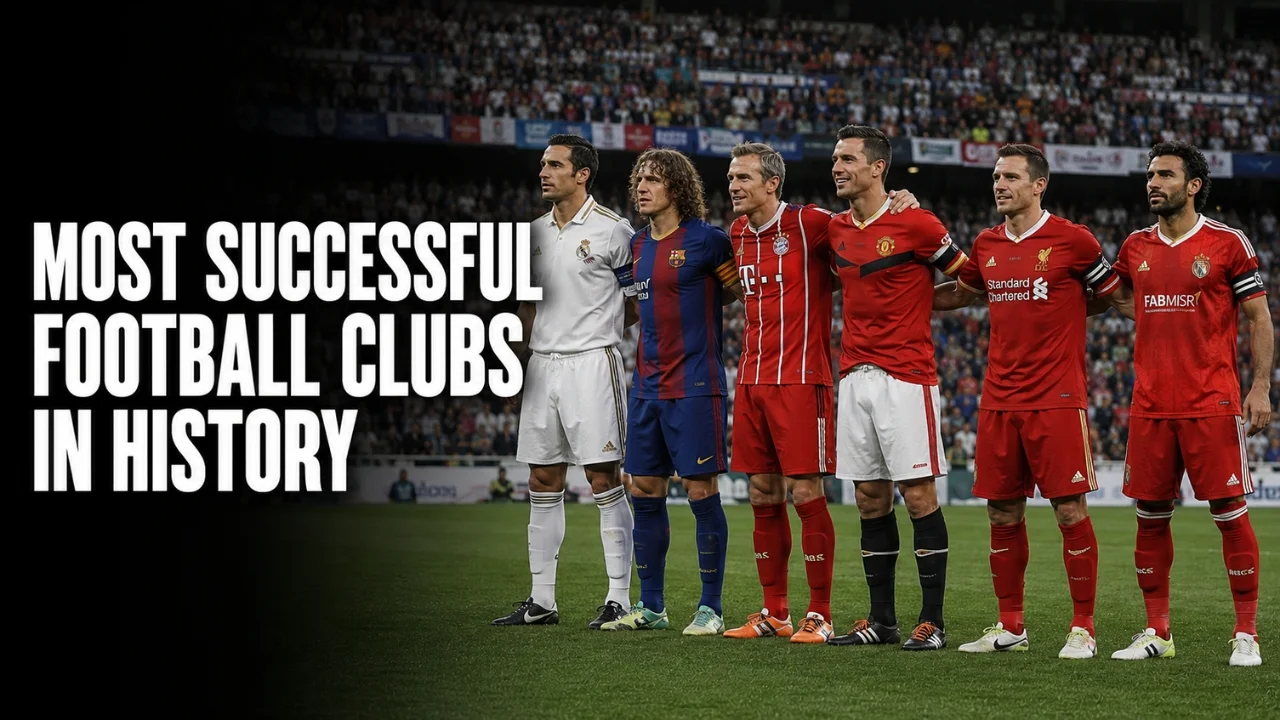
Real Madrid, Al Ahly, Barcelona, Bayern Munich, and Manchester United are among the most successful football clubs in history.
Football success can be measured in different ways. Some clubs dominate their domestic leagues, while others build their reputations through continental triumphs and global influence. Across more than a century of organized competition, a small group of clubs have consistently won trophies, developed legendary players, and shaped the history of the sport.
This guide examines the most successful football clubs in history based on official trophies, sustained success, historical significance, and achievements in both domestic and international competitions. Rather than focusing on a single era, it highlights clubs whose success has stood the test of time.
Quick Answer
When discussing the most successful football clubs in history, several names consistently stand out: Real Madrid, Al Ahly, Barcelona, Bayern Munich, Manchester United, Liverpool, Juventus, Benfica, Boca Juniors, and AC Milan. These clubs have accumulated hundreds of official trophies and have played major roles in shaping football’s global story.
How Football Club Success Is Measured
Comparing clubs from different countries is not always straightforward.
Several factors help determine long-term success:
- Official major trophies won
- Domestic league titles
- Domestic cup victories
- Continental championships
- Intercontinental and world titles
- Historical consistency
- Influence on world football
A club with 50 league titles in one country cannot automatically be compared to a club with multiple continental crowns in another. For that reason, both domestic and international achievements matter.
No single metric can fully measure club greatness, which is why this ranking considers success across multiple competitions and generations rather than relying solely on trophy totals.
Ranking the Most Successful Football Clubs in History
1. Real Madrid
Country: Spain
Founded: 1902
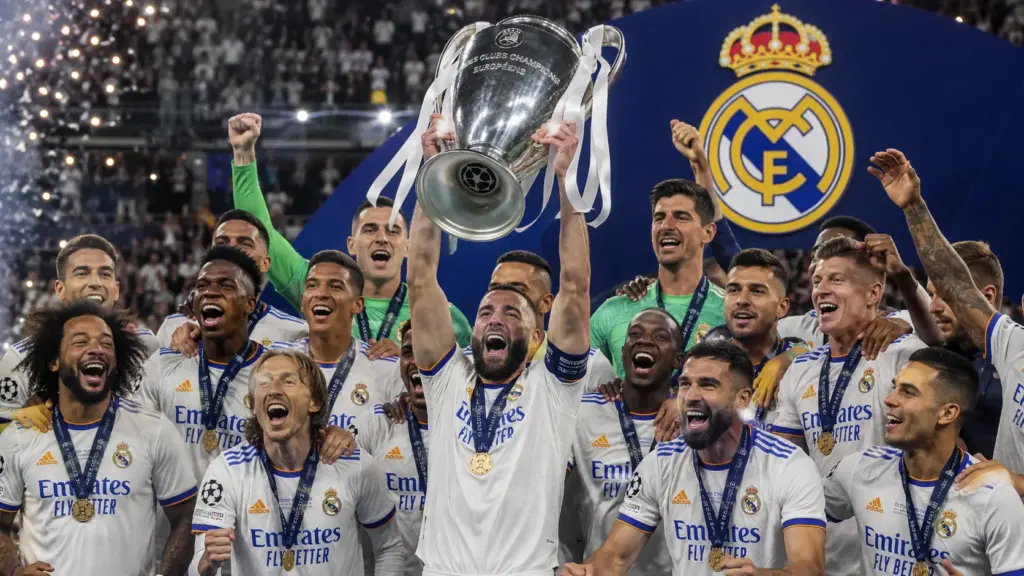
Real Madrid’s position at the top of football history is difficult to dispute.
The Spanish giants own the most UEFA Champions League titles and have consistently competed at the highest level across multiple generations. From Alfredo Di Stéfano and Ferenc Puskás to Cristiano Ronaldo and Luka Modrić, Real Madrid have repeatedly defined eras of European football.
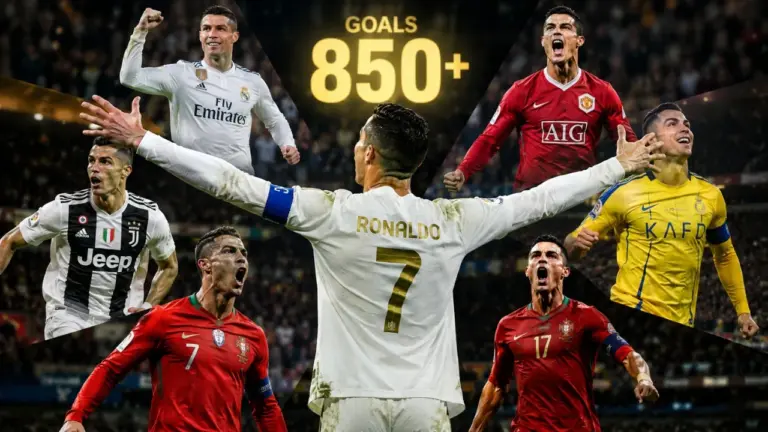
Many of the players who helped build Real Madrid’s legacy are also central figures in football’s individual record books. Cristiano Ronaldo, in particular, remains one of the football players with the most goals in history, adding another layer to the club’s remarkable success story.
Major Achievements
- Record UEFA Champions League titles
- Multiple FIFA Club World Cup victories
- Dozens of La Liga titles
- Numerous Copa del Rey trophies
What separates Real Madrid from many rivals is their ability to remain successful across decades rather than relying on a single golden generation.
2. Al Ahly
Country: Egypt
Founded: 1907
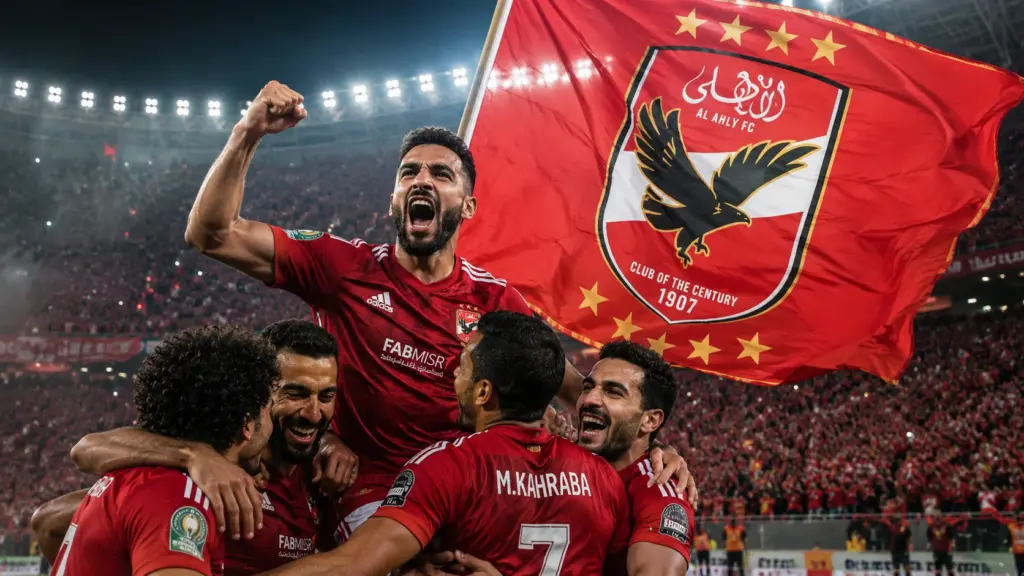
Al Ahly are often overlooked in global discussions, yet they are widely recognized as one of the most decorated football clubs in world history.
The Cairo-based club has dominated Egyptian football while also becoming Africa’s most successful club in continental competition.
Why Al Ahly Matter
- Record CAF Champions League titles
- Extensive domestic trophy collection
- Consistent success over more than a century
- Massive fanbase across Africa and the Middle East
Their sustained dominance over more than a century places them among football’s true global powerhouses.
3. FC Barcelona
Country: Spain
Founded: 1899
Barcelona’s success has been built on a distinctive football identity.
The club’s academy, La Masia, produced players such as Xavi, Andrés Iniesta, Sergio Busquets, and Lionel Messi, helping create one of the most successful teams football has ever seen.
Key Achievements
- Multiple UEFA Champions League titles
- Numerous La Liga championships
- Historic treble-winning campaigns
- Global influence through academy development
Barcelona’s impact extends beyond trophies, influencing coaching and tactical trends worldwide.
The club’s philosophy was shaped by midfielders such as Xavi and Andrés Iniesta, whose influence extended far beyond Barcelona and helped establish them among the greatest midfielders in football history.
4. Bayern Munich
Country: Germany
Founded: 1900
No club has dominated German football like Bayern Munich.
The Bavarian giants have won more Bundesliga titles than any other team and have consistently challenged for European honors.
What Makes Bayern Unique
- Record Bundesliga champions
- Multiple European Cup and Champions League triumphs
- Strong financial stability
- Consistent qualification for elite competitions
Few clubs have combined domestic dominance and European competitiveness as consistently as Bayern Munich.
5. Manchester United
Country: England
Founded: 1878 (as Newton Heath)
Manchester United remain one of football’s most influential institutions.
The club’s greatest period came under Sir Alex Ferguson, whose reign produced unprecedented domestic success and two UEFA Champions League titles.
Historic Success
- Record-level English league success
- Multiple FA Cup victories
- European Cup and Champions League trophies
- One of the world’s largest fanbases
United’s global reach helped transform English football into an international commercial force.
Trophy Comparison Table
| Club | Country | Domestic League Titles* | Major Continental Titles* |
|---|---|---|---|
| Real Madrid | Spain | Multiple | Record UEFA Champions League titles |
| Al Ahly | Egypt | Multiple | Record CAF Champions League titles |
| Barcelona | Spain | Multiple | Multiple UEFA Champions League titles |
| Bayern Munich | Germany | Record Bundesliga titles | Multiple UEFA Champions League titles |
| Manchester United | England | Multiple | Multiple European titles |
*Numbers change as competitions continue and should always be checked against official club and governing-body records.
Why European Success Carries Extra Weight
The Importance of Continental Competitions
Domestic titles demonstrate consistency.
Continental competitions measure a club against the strongest teams from multiple nations.
That is why achievements in tournaments such as:
- UEFA Champions League
- Copa Libertadores
- CAF Champions League
- CONCACAF Champions Cup
often play a major role when discussing football’s most successful clubs.
Winning internationally requires depth, adaptability, and sustained excellence against elite opposition.
Many of football’s most successful clubs have built their reputations through performances in global tournaments, a tradition that continues with competitions such as the FIFA Club World Cup 2025, where the world’s strongest teams compete for international recognition.
Clubs Just Outside the Top Five
Several clubs have legitimate claims to inclusion in any discussion about football greatness.
Liverpool
Liverpool’s six European Cups and extensive domestic success place them among the sport’s elite institutions.
AC Milan
Few clubs can match Milan’s European pedigree. Their success across multiple generations remains one of football’s great stories.
Juventus
Italy’s most successful domestic club has accumulated league titles at an extraordinary rate.
Benfica
The Portuguese giants dominated European football during the Eusébio era and remain one of the most decorated clubs in the game.
Boca Juniors
Boca’s domestic and South American success has made them one of the biggest clubs outside Europe.
Comparing Success Across Different Eras
Comparing clubs from different generations is one of football’s biggest challenges.
Real Madrid’s dominance in the early European Cup era came under very different conditions than Manchester City’s modern success. Likewise, Al Ahly’s achievements in Africa cannot be judged solely through a European lens.
Several factors have changed over time:
- Expansion of international competitions
- Increased fixture congestion
- Financial growth of football
- Global scouting networks
- Professional sports science
- Changes in tournament formats
Because of these differences, evaluating club success requires more than simply counting trophies. Longevity, consistency, and impact on the game also matter.
Historical context is especially important when comparing clubs from different continents, as opportunities to compete internationally have varied significantly across eras and regions.
The Most Successful Clubs by Region
Europe
Europe remains home to many of football’s most decorated clubs.
| Club | Country |
|---|---|
| Real Madrid | Spain |
| Barcelona | Spain |
| Bayern Munich | Germany |
| Manchester United | England |
| Liverpool | England |
| AC Milan | Italy |
| Juventus | Italy |
| Benfica | Portugal |
These clubs have collectively won hundreds of domestic and continental trophies.
South America
South American football has produced some of the sport’s most passionate rivalries and successful clubs.
| Club | Country |
|---|---|
| Boca Juniors | Argentina |
| River Plate | Argentina |
| Independiente | Argentina |
| Flamengo | Brazil |
| Palmeiras | Brazil |
| São Paulo | Brazil |
Success in the Copa Libertadores remains the benchmark for greatness in South American club football.
Africa
African football has been dominated by a select group of historic clubs.
| Club | Country |
|---|---|
| Al Ahly | Egypt |
| Zamalek | Egypt |
| TP Mazembe | DR Congo |
| Espérance de Tunis | Tunisia |
| Wydad AC | Morocco |
Al Ahly’s record in continental competition places them among the most successful clubs anywhere in the world.
What Separates Great Clubs From Historic Clubs?
Many teams enjoy successful periods.
Only a few maintain success across generations.
The clubs most often considered football’s greatest share several characteristics:
Sustained Excellence
Winning for five years is impressive.
Winning across 50 years is far more difficult.
Real Madrid, Bayern Munich, Benfica, Al Ahly, and Juventus have all remained competitive through multiple football eras.
Strong Identity
The most successful clubs rarely abandon their core identity.
Barcelona are associated with possession football. Bayern Munich emphasize efficiency and stability. Liverpool’s history is built around intensity and European nights.
Those identities often outlast individual managers and players.
Ability to Rebuild
Every club experiences decline.
The greatest organizations consistently rebuild and return to the top.
Real Madrid, Bayern Munich, and Al Ahly have all demonstrated an ability to remain successful despite major changes in players, managers, and football eras.
Common Misconceptions About Football Club Success
“The Club With the Most Trophies Is Automatically the Greatest”
Trophy counts matter, but context matters too.
Competition level, continental success, and historical impact all influence how clubs are viewed.
“Only European Clubs Matter”
European football receives the most global attention, but clubs such as Al Ahly, Boca Juniors, River Plate, Flamengo, and Zamalek have achieved extraordinary success in their respective regions.
A global view of football history extends beyond UEFA competitions.
“Modern Success Is More Important Than Historic Success”
Recency often influences perception.
However, football history is built across decades. A club’s legacy includes achievements from every era, not only recent seasons.
Key Takeaways
- Real Madrid are widely regarded as the most successful club in football history due to their unmatched European record and sustained domestic success.
- Al Ahly rank among the most decorated clubs in world football and are Africa’s most successful side.
- Barcelona, Bayern Munich, and Manchester United have shaped football through both trophies and global influence.
- Liverpool, AC Milan, Juventus, Benfica, and Boca Juniors remain central figures in any discussion about football greatness.
- Success should be measured through a combination of domestic achievements, continental trophies, longevity, and historical impact.
- Comparing clubs across different eras requires context rather than relying solely on trophy totals.
Final Thoughts
Football’s most successful clubs have done more than collect trophies. They have influenced tactics, developed legendary players, inspired generations of supporters, and helped shape the sport itself.
Real Madrid’s dominance in Europe, Al Ahly’s remarkable success in Africa, Barcelona’s football philosophy, Bayern Munich’s consistency, and Manchester United’s global influence all represent different paths to greatness.
Debates about the greatest club in history will always continue. What remains clear is that only a small group of clubs have consistently combined winning, longevity, and worldwide impact over decades of competition. Those clubs have earned their place at the center of football history.
FAQ
Which football club has won the most trophies in history?
The answer depends on how trophies are counted and which competitions are included. Al Ahly and several European giants regularly feature near the top of official trophy rankings.
Which club has won the most UEFA Champions League titles?
Real Madrid hold the record for the most European Cup and UEFA Champions League titles.
Is Al Ahly one of the most successful clubs in football history?
Yes. Al Ahly are Africa’s most successful club and rank among the most decorated football clubs globally.
Which English club is the most successful?
Manchester United and Liverpool are generally considered the most successful English clubs, although exact rankings vary depending on which trophies are counted.
Why is Real Madrid often considered the greatest football club?
Their combination of domestic titles, record European success, global influence, and sustained excellence across multiple generations places them at the top of many historical rankings.
Do domestic trophies matter as much as international trophies?
Both are important. Domestic titles demonstrate consistency over a season, while international trophies measure success against elite opposition from other countries.
Sources
- GOAL Football News and Statistics
- FIFA
- UEFA
- CAF (Confederation of African Football)
- CONMEBOL
- Real Madrid Official Website
- FC Barcelona Official Website
- FC Bayern Munich Official Website
- Manchester United Official Website
- Liverpool FC Official Website
- Juventus Official Website
- Benfica Official Website
- Al Ahly SC Official Website
- RSSSF (Rec.Sport.Soccer Statistics Foundation)
- ESPN FC
- Reuters Sports
- BBC Sport Football
- The Athletic Football Coverage
About the Author