Some of football's most incredible moments happened within seconds of kickoff, creating records that still stand today.
Football has produced countless unforgettable moments, but few are as surprising as a goal scored only seconds after kickoff. The fastest goals in football history combine awareness, audacity, and perfect execution. In some cases, players spotted a goalkeeper off his line and struck from the center circle before defenders even touched the ball. Others capitalized on mistakes immediately after the referee’s whistle. While records can vary depending on competition level and governing recognition, several goals stand out as the quickest ever recorded in the sport.
Quick Answer
The fastest goals ever scored in football history have been recorded in as little as two to three seconds after kickoff. However, not every record is officially recognized due to competition eligibility issues or differing standards among governing bodies. Ricardo Olivera’s 2.8-second goal in Uruguay remains one of the most widely recognized records, while Nawaf Al-Abed’s two-second strike is often cited but came in a match later declared void.
Many of football’s quickest goals have been scored by players known for their explosive pace and rapid decision-making. Over the years, speed has become one of the most valuable attributes in the modern game, which is why fans often compare these record-breaking moments with the achievements of the fastest football players of all time.
Fastest Goals in Football History
| Player | Time | Year | Match |
|---|---|---|---|
| Nawaf Al-Abed | 2.0 sec | 2009 | Al-Hilal vs Al-Shoulla |
| Ricardo Olivera | 2.8 sec | 1998 | Rio Negro Capital vs Soriano Interior |
| Marc Burrows | 2.5 sec | 2004 | Cowes Sports Reserves vs Eastleigh Reserves |
| Gavin Stokes | 2.1 sec | 2017 | Maryhill vs Clydebank |
| Cheung Sai Ho | 2.8 sec | 1993 | Portsmouth Cup Match |
| Carlos Almeida | 3.0 sec | 2011 | Oliveira do Hospital vs Arganil |
Recognition of records varies depending on competition status and governing bodies.
The Debate Over the Fastest Goal Ever
Determining the fastest goal in football history is more complicated than it appears.
Some goals occurred in professional competitions, while others happened in reserve matches, youth tournaments, amateur leagues, or competitions later ruled invalid. Because football lacks a single worldwide statistical authority for all competitions, different record books often recognize different goals.
Before comparing individual records, it is important to understand that football does not have a single worldwide authority that verifies every match played across every competition. Some records come from professional leagues, while others originate from regional, reserve, or amateur matches. That distinction is one of the main reasons debates over the fastest goal in football history continue today.
Why Records Differ
Several factors influence recognition:
- Match status
- Competition rules
- Official timing methods
- Governing body approval
- Whether the match result remained valid
As a result, football historians often distinguish between the fastest recorded goal and the fastest officially recognized goal.
Nawaf Al-Abed’s Famous Two-Second Goal

On November 7, 2009, Saudi Arabian midfielder Nawaf Al-Abed stunned football fans by scoring directly from kickoff for Al-Hilal against Al-Shoulla in the Prince Faisal bin Fahad Cup.
Spotting the goalkeeper off his line, Al-Abed launched an immediate shot from near the halfway line. The ball sailed into the net roughly two seconds after the opening whistle. The strike quickly gained worldwide attention and was widely reported as the fastest goal ever scored in professional football.
Why the Record Is Controversial
The match was later declared void because Al-Hilal fielded players who exceeded the competition’s age restrictions. Because the game was canceled, many statisticians do not recognize the goal as an official world record despite the remarkable achievement.
Ricardo Olivera’s Guinness-Recognized Record
When discussions turn to officially recognized records, Ricardo Olivera’s name often appears at the top.
The Uruguayan scored after just 2.8 seconds for Rio Negro Capital against Soriano Interior in December 1998. Instead of passing from kickoff, Olivera immediately attempted a long-range shot. The goalkeeper was caught off his line, and the ball flew directly into the net. Guinness World Records recognized the strike as the fastest goal in football history for many years.
Why Olivera’s Goal Remains Significant
Unlike several disputed records, Olivera’s goal occurred in a match that remained valid and has long been referenced by record-keeping organizations. That recognition is why many football historians still consider it among the strongest candidates for the fastest officially recognized goal ever scored.
Although new claims occasionally emerge, Olivera’s strike remains one of the most frequently referenced benchmark records because it has been cited by established record-keeping organizations for many years.
Marc Burrows and the English Record
English football also has a remarkable entry in the record books.
Marc Burrows scored for Cowes Sports Reserves against Eastleigh Reserves in 2004. The striker spotted the goalkeeper positioned high off his line and fired directly from kickoff. The referee timed the goal at approximately 2.5 seconds.
According to reports cited by BBC Sport and later Football Association recognition, Burrows’ strike was considered a world-record contender at the time.
What Makes These Goals Possible?
Scoring within three seconds sounds impossible, but the formula is surprisingly simple.
Goalkeeper Positioning
Many ultra-fast goals happen because goalkeepers stand several yards outside their penalty area before kickoff.
Goalkeepers caught off their line often become victims of long-range efforts, a situation that has also contributed to some of the most memorable strikes scored by the fastest strikers in football history, who regularly exploit even the smallest defensive mistake.
Direct Shooting Strategy
Rather than playing possession, players immediately attempt a long-range effort from the center circle.
Perfect Timing
The smallest hesitation can add an extra second, often making the difference between an ordinary quick goal and a historic record.
Weather Conditions
Wind, field conditions, and ball movement can also influence long-distance efforts, especially in lower-league matches.
Fastest Goals in Major Competitions
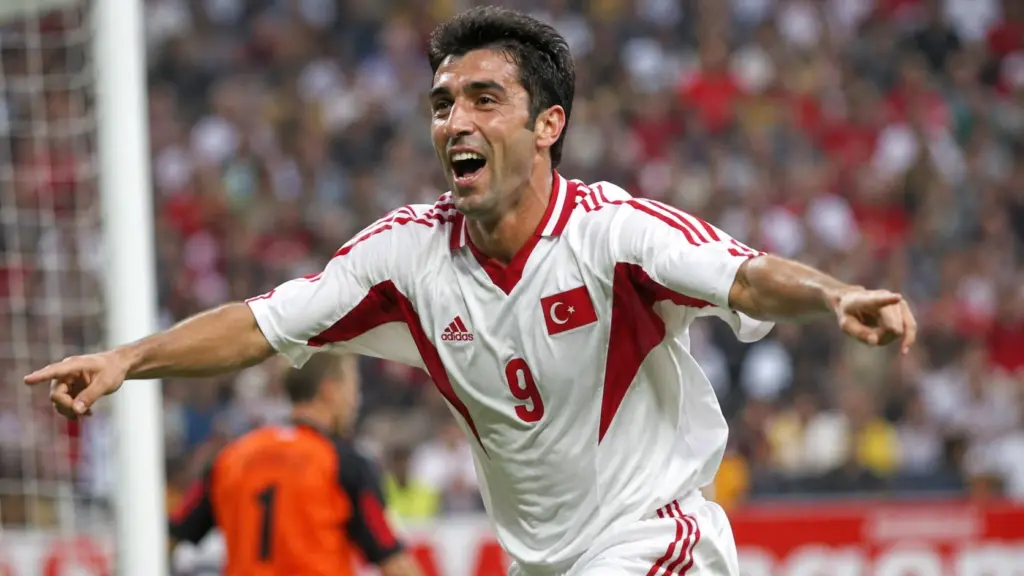
Some of football’s most famous competitions have their own speed records.
| Competition | Player | Time |
|---|---|---|
| FIFA World Cup | Hakan Şükür | 11 seconds |
| Premier League | Shane Long | 7.69 seconds |
| FA Cup (reported record) | Gareth Morris | 4 seconds |
Hakan Şükür’s strike for Turkey against South Korea in the 2002 FIFA World Cup remains the fastest goal in World Cup history. Shane Long’s goal for Southampton against Watford holds the Premier League record.
World Cup records often become part of football history for decades. Fans interested in the next chapter of the tournament can also follow the latest developments in the FIFA World Cup 2026 guide and latest updates.
Other Remarkably Fast Goals Worth Mentioning
While the debate over the overall world record continues, several players have produced astonishing goals within the opening seconds of a match.
Gavin Stokes (Scotland)
In 2017, Gavin Stokes scored for Maryhill against Clydebank just moments after kickoff in a Scottish West Region Super League match. Reports widely credited the goal at around 2.1 seconds, placing it among the quickest ever recorded in senior football.
Cheung Sai Ho (Hong Kong)
Cheung Sai Ho became famous for scoring after approximately 2.8 seconds during a youth tournament match in Hong Kong in 1993. Although the competition was not a major professional league, the goal remains one of football’s most frequently cited rapid strikes.
Carlos Almeida (Portugal)
Portuguese forward Carlos Almeida reportedly found the net after roughly three seconds in a regional competition, further demonstrating how quickly a match can change when a goalkeeper is caught off guard.
Why Fast Goals Matter
An early goal does far more than create a record.
Tactical Impact
Scoring within seconds immediately changes the tactical landscape of a match. Teams that planned to defend may need to attack, while favorites can suddenly play with greater confidence.
Psychological Advantage
Conceding almost instantly can disrupt concentration and force players to abandon their original game plan.
Historic Legacy
Many footballers are remembered primarily because of a single record-breaking moment. Fastest-goal records often become part of football folklore and remain discussed for decades.
Common Misconceptions About Fastest Goals
“The fastest goal ever is officially two seconds.”
Not exactly.
Nawaf Al-Abed’s famous strike is often reported as the fastest ever, but because the match was later declared void, some statisticians and record-keeping organizations do not recognize it as an official world record.
“Only professional matches count.”
Different record books use different criteria. Some include amateur, reserve, youth, or regional competitions, while others recognize only professional senior matches.
“Kickoff goals are just lucky.”
Luck can play a role, but awareness, preparation, technique, and confidence are equally important. Players who score directly from kickoff often identify goalkeeper positioning before the referee blows the whistle.
How Football Has Changed Since These Records
Modern goalkeepers are generally more aware of long-range threats than they were decades ago.
Video analysis, advanced scouting, and improved coaching methods mean teams now spend more time preparing for unusual situations, including direct attempts from kickoff. As a result, breaking existing records has become increasingly difficult.
That said, football’s unpredictability means another record-breaking strike could happen at any moment.
Key Takeaways
- Nawaf Al-Abed’s two-second goal is widely reported as the fastest ever scored, though the match was later declared void.
- Ricardo Olivera’s 2.8-second strike remains one of the strongest candidates for the fastest officially recognized goal.
- Hakan Şükür holds the FIFA World Cup record with an 11-second goal in 2002.
- Shane Long owns the Premier League record at 7.69 seconds.
- Roy Makaay scored the fastest goal in UEFA Champions League history.
- Fast goals often result from direct shots at kickoff and goalkeepers positioned away from their goal line.
Final Thoughts
Football’s fastest goals capture everything that makes the sport fascinating: anticipation, awareness, risk-taking, and split-second decision-making.
While debates continue over which strike deserves official recognition as the fastest ever, the achievements of players such as Nawaf Al-Abed, Ricardo Olivera, Marc Burrows, Hakan Şükür, Shane Long, and Roy Makaay remain remarkable. Their goals required not only technical ability but also the confidence to attempt something extraordinary before most players had even touched the ball.
New records may eventually be set, but some moments remain among football’s most memorable achievements. The fastest goals in football history belong firmly in that category.
FAQ
What is the fastest goal ever scored in football history?
Nawaf Al-Abed’s goal for Al-Hilal in 2009 is often reported as the fastest at around two seconds, although the match was later declared void. Ricardo Olivera’s 2.8-second goal is among the most widely recognized official records.
Who scored the fastest goal in World Cup history?
Hakan Şükür scored after 11 seconds for Turkey against South Korea at the 2002 FIFA World Cup.
What is the fastest Premier League goal?
Shane Long holds the Premier League record with a goal scored after 7.69 seconds for Southampton against Watford in 2019.
What is the fastest UEFA Champions League goal?
Roy Makaay scored after 10.12 seconds for Bayern Munich against Real Madrid in 2007.
Sources Used
- Wikipedia – Fastest Goals in Association Football (Historical Compilation & Referenced Sources)
- FIFA World Cup Records & Statistics
- UEFA Champions League Historical Records
- Premier League Official Statistics
- Guinness World Records
- BBC Sport
- Reuters
- FIFA.com
- UEFA.com
- The Football Association (FA)
- International Football Association Board (IFAB)
About the Author